Source Remote Control Spider Crane for Tight Spaces
Compare 30 remote control spider crane models with capacities from 2 to 12 tons. These crawler units offer 360-degree slewing and customizable options for construction and narrow space operations; compare the available evidence and request quotations based on your requirements.
Key considerations
Products List


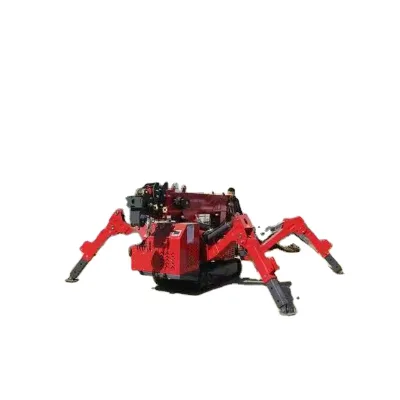
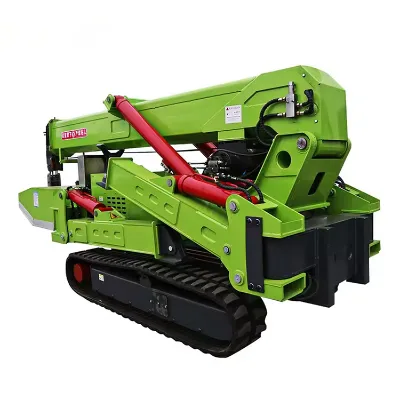
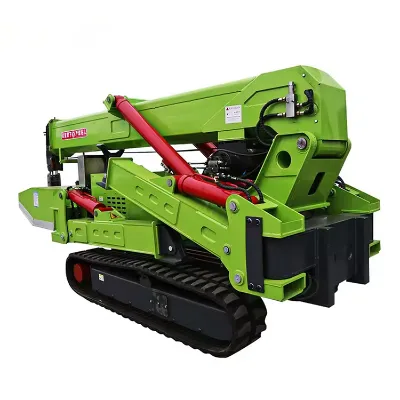


Comprehensive Sourcing Guide
Remote Control Spider Crane Sourcing Guide
Procuring a remote control spider crane requires careful evaluation of its unique mobility and compact footprint, which are essential for navigating narrow construction sites and confined indoor spaces. These machines, often identified by their crawler under-slewing design, offer 360-degree continuous rotation and can operate in areas where traditional cranes cannot reach. Buyers must prioritize models that explicitly list wireless remote control as an optional feature, ensuring the operator can maintain a safe distance while maneuvering heavy loads with precision.
The sourcing landscape reveals a diverse range of capacities, from 2-ton to 12-ton variants, with specific models like the MTC2 and CTT series appearing in current listings. When evaluating potential suppliers, it is critical to distinguish between different lifting heights and working radii, as some units offer a maximum lifting height under 50 meters while others specify a max work height of 54.7 meters. Understanding these specific performance metrics is the first step in matching the equipment to the physical constraints of your project site.
Product Scope and Observed Listing Signals
Current market listings indicate that these cranes are typically supplied in new condition with customizable color options to meet specific site branding or safety requirements. The observed product range includes various configurations, such as those with fly jibs, torque limiters, and man baskets, which significantly expand their utility for specialized tasks like maintenance or elevated work. Buyers should verify if the specific listing includes a video outgoing-inspection, as this provides a transparent view of the machine's condition before shipment.
Commercial signals suggest a flexible minimum order quantity, often allowing for single-item purchases, which is ideal for contractors needing immediate deployment without bulk commitments. The pricing structure varies widely, with observed ranges spanning from 1,500 to 195,000 USD, reflecting differences in capacity, engine type, and included accessories. It is vital to scrutinize the listed dimensions, as extended dimensions can reach 5x5.3 meters, impacting transport logistics and site access planning.
Technical Specifications to Verify
Engine and power source selection is a primary technical consideration, with listings showing options for diesel engines like the Yunnei290 or dual power sources combining diesel and electric motors. Buyers must confirm the rated loading capacity, which ranges from 2 tons to 12 tons depending on the specific model number, such as 03, 04, or 06. Verifying the core components, specifically the engine and motor quality, ensures the machine can sustain the high digging power and lifting moments required for demanding construction applications.
Dimensional constraints and weight are equally critical for site logistics, with some units weighing as little as 1,000 kg while others reach 5.3 tons. The climbing capacity of 20 degrees allows for operation on slopes, but the buyer must verify the actual ground pressure and stability on uneven terrain. Additionally, the standard packing method, whether in a container or a small cabinet, affects the shipping volume and cost, so these specifications must be aligned with the available transport infrastructure at the destination.
Compliance and Safety Documentation
Safety compliance is paramount, and buyers should request documentation confirming CE and GS certifications, which are frequently cited in product attributes for these machines. While some background data mentions ISO 13849 or EN 60068, the primary verification should focus on the explicit certifications provided in the listing to ensure the equipment meets the regulatory standards of the destination country. The presence of a warranty, typically listed as one year, offers a baseline of protection for the buyer against early mechanical failures.
Documentation regarding the machine's operational safety features, such as the torque limiter and wireless remote control system, must be reviewed to ensure they function as intended. The 360-degree continuous slew angle is a standard feature, but the buyer should verify the specific safety interlocks and emergency stop protocols integrated into the remote control unit. Ensuring that the supplier provides a comprehensive manual detailing these safety mechanisms is essential for maintaining a safe working environment on the job site.
Cost Drivers and Commercial Terms
The total cost of ownership is influenced by several factors, including the rated loading capacity, the type of engine selected, and the inclusion of optional accessories like man baskets or wireless remotes. The observed price range of 1,500 to 195,000 USD suggests that capacity and customization are the primary drivers of cost, with higher-tonnage models and specialized configurations commanding a premium. Buyers should analyze the breakdown of these costs to understand the value proposition of each specific model configuration.
Commercial terms regarding the minimum order quantity are generally favorable, with many suppliers offering single-item sales, which reduces the financial risk for smaller projects. However, the lead time and shipping method, whether by container or small cabinet, can significantly impact the overall timeline and budget. It is advisable to clarify the Incoterms and delivery responsibilities, especially given the varied dimensions and weights of the units, to avoid unexpected logistical expenses upon arrival.
Supplier Qualification and Quality Control
Supplier qualification should begin with verifying the place of origin, as many listings indicate production in Jinan, Shandong, China, a known hub for heavy machinery manufacturing. Buyers must assess the supplier's ability to provide video outgoing-inspections, which serve as a critical quality control step before the equipment leaves the factory. This visual verification helps confirm that the core components, such as the engine and motor, are installed correctly and that the machine is in new condition as advertised.
Quality control extends to the customization capabilities offered by the supplier, including the ability to adjust colors and modify dimensions to fit specific project needs. The availability of a one-year warranty is a standard indicator of supplier confidence, but buyers should also inquire about the availability of spare parts and technical support. Ensuring that the supplier has a track record of delivering units that meet the specified climbing capacity and lifting height is essential for long-term operational reliability.
Long-Term Procurement Checks
Long-term procurement success depends on establishing a clear maintenance schedule and verifying the availability of replacement parts for the specific model purchased. Buyers should confirm the warranty terms in detail, including what is covered and the process for claiming repairs, to ensure minimal downtime during critical project phases. The durability of the crawler system and the reliability of the remote control unit are key factors that will determine the machine's lifespan and operational efficiency over time.
Regular performance checks should include monitoring the lifting capacity and stability on various terrains, as the climbing capacity of 20 degrees may be tested in real-world conditions. Buyers should also plan for the eventual need to replace or upgrade components like the engine or motor, ensuring that the supplier can support these needs with genuine parts. Establishing a relationship with a supplier who offers ongoing technical support and training will help maximize the return on investment for the remote control spider crane.
FAQs
What is the maximum lifting weight for a remote control spider crane?
The maximum lifting weight is 6 tons. This capacity allows the machine to handle heavy construction materials efficiently. The unit weighs 5.3 tons and features a crawler moving type for stability. It supports capacities ranging from 2 to 12 tons depending on the specific model selected for your project needs.
Can a remote control spider crane operate in narrow spaces?
Yes, it is designed for narrow space operation and building construction. The compact dimension of 4.81 by 1.28 by 2.12 meters allows access to tight areas. It features a 360-degree continuous slew angle and a 20-degree climbing capacity. This flexibility ensures effective performance in confined industrial or residential environments.
What certifications do remote control spider cranes typically have?
These cranes typically hold CE and GS certifications. These marks indicate compliance with relevant safety and quality standards for machinery. The equipment is manufactured in Jinan, Shandong, China. Buyers should verify specific documentation to ensure the unit meets local regulatory requirements for their intended operational region.
What is the warranty period for a remote control spider crane?
The standard warranty period is one year. This coverage applies to core components such as the engine and motor. The product is supplied in a container or small cabinet. Buyers should review the specific terms provided by the manufacturer to understand the exact scope of support and maintenance included.
How high can a remote control spider crane lift loads?
The maximum lifting height ranges from 6 to 27 meters. Some models can reach up to 54.7 meters with optional extensions. The standard maximum lifting height is under 50 meters. This versatility allows the crane to handle multi-story construction tasks effectively while maintaining stability through its crawler base.
Is customization available for remote control spider cranes?
Customization is available for these machines. Buyers can request specific colors and optional features like a fly jib or wireless remote control. The product name indicates high digging power and versatile applications. Manufacturers accommodate specific operational requirements to ensure the equipment fits unique project constraints and site conditions.